A language to be experienced
Aramaic is not simply a language to be studied. It is a language of prayer, a language of remembrance — an embodied pathway into the mystical teachings of the Christ lineage.

My first encounter
I was in my third year at university, walking through a corridor near the Religious Studies department, when I saw a large flyer announcing a conference on the Dead Sea Scrolls. At the time, I did not even know what the Dead Sea Scrolls were, yet something about those words captivated me. I felt drawn to attend.
During the conference, one of the teachers began speaking about the Scrolls and reciting in Aramaic. The moment I heard the language, something awakened in me.
I suddenly remembered an experience I had had years earlier, when I was fourteen. I had gone with my mother, my aunt and one of my cousins to a healing session in which a priest was working with sacred oils while reciting prayers in Aramaic. I had never forgotten the feeling of those prayers.
Hearing Aramaic again at university brought that memory alive in my body. I knew then that this was a language I wanted to study.
Not through the mind
My first approach to Aramaic did not begin from a desire to understand the Gospels more deeply or to explore the historical world and consciousness of Yeshua and the Christ family.
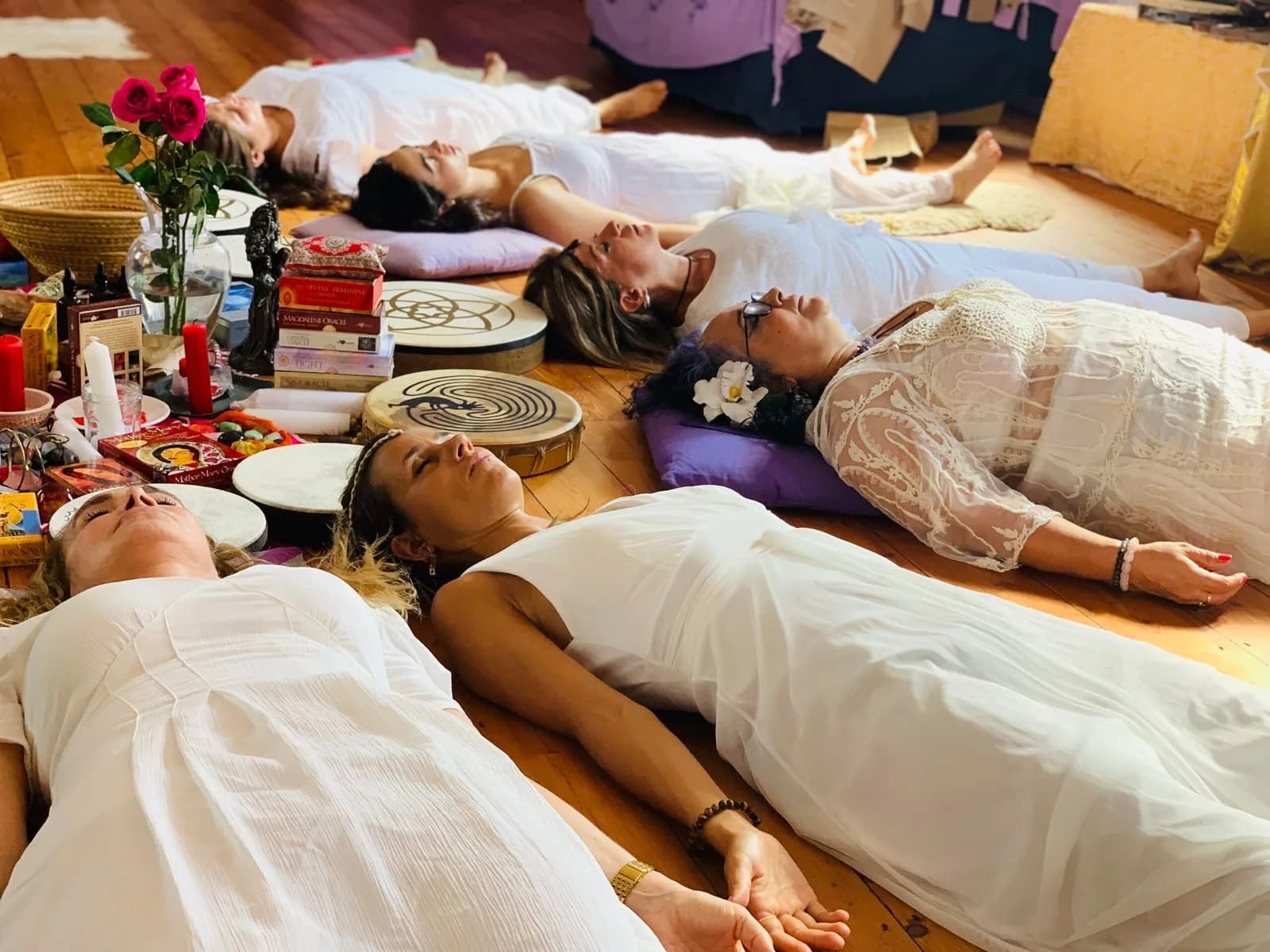
I felt that the language itself was doing something to me — to my body, my mind, my energy. There was something profoundly familiar in its sounds and vibrations. It felt ancient, intimate and healing.
Cairo and the desert
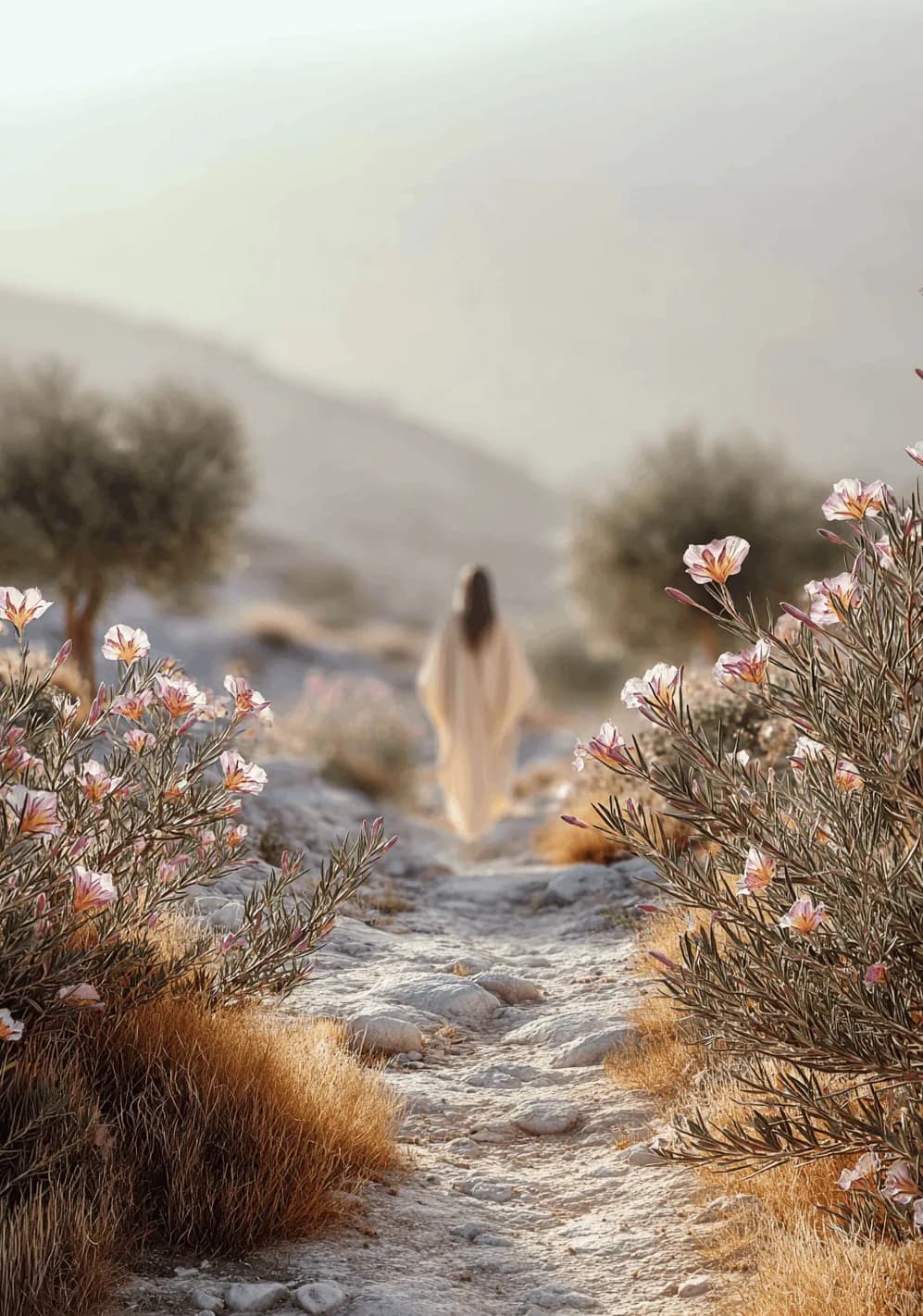
Years later, when I moved to Cairo and lived in Egypt, I returned to the study of Aramaic, this time with another longing awakening within me. I wanted to enter more deeply into the prayers and the Gospels and to encounter Yeshua, Mother Mary, Mary Magdalene, the Christ family and the Desert Mystics within the linguistic and mystical world from which their teachings emerged.
And I wanted to discover those whose names are rarely spoken — the many mystics, seekers and contemplatives whose voices still echo through the desert traditions.
What I call Aramaic Mysticism
I am interested not only in what an Aramaic word means, but in what happens when we pray it, chant it, breathe it, move it and allow its sacred resonance to enter the body.
Prayer
Entering the words of Yeshua and Mary Magdalene in the language in which they were spoken.
Chanting
Letting sacred sound move through the voice, the breath and the whole body.
Sacred embodiment
Moving, breathing and allowing the resonance of each word to settle in the body.
Transmission
Receiving and passing on a living lineage, not only information about it.
Academic study
Grounding the experience in the historical, linguistic and scriptural world it comes from.
An invitation
This approach lives at the heart of the programmes I have created and taught, including The Aramaic Path of the Rose Accredited Training and Aramaic Alchemy. If you feel called to explore these teachings more deeply, I invite you to discover my Aramaic Mysticism trainings and courses through The Desert Rose Sanctuary Online School.
Ahava, Ana Otero